For six years, I worked as a UX Consultant within Hitachi R&D, in London, helping explore what future products and services could be before they were ready for the market.
These were predominantly first of a kind projects. There was often no existing product, established user journey or design pattern to copy. Instead, I worked at the intersection of research, technology, business and design to understand where a real opportunity existed and what could be built to address it.
I worked closely with engineers, software developers, data scientists, researchers, hardware specialists and business leaders, translating complex technical capabilities into experiences that people could understand, use and value.
My work typically began with a question rather than a brief:
What problem is worth solving, and what could technology make possible?
I conducted user research, interviews, observations and usability testing with passengers, factory workers, transport operators, engineers, businesses and other specialists. I travelled internationally to research real working environments, worked directly with industry partners and used evidence to challenge assumptions and shape the direction of projects.
From there, I developed opportunities, user journeys, service concepts, interaction models and prototypes, often before the underlying product or service existed.
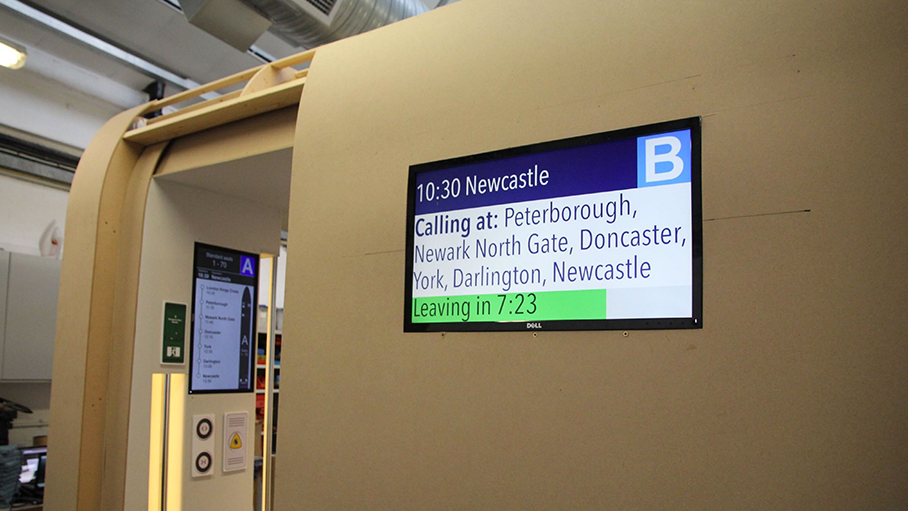
I built and tested everything from digital interfaces and coded prototypes to physical environments, simulations, voice and wearable interactions. When an idea needed to be experienced rather than explained, I made it tangible and used it to bring engineers, researchers, customers and executives into the same conversation.
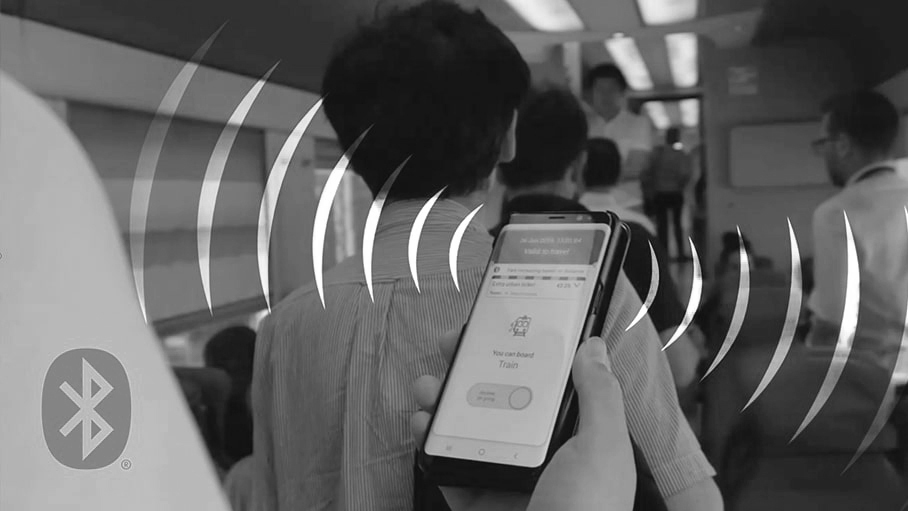
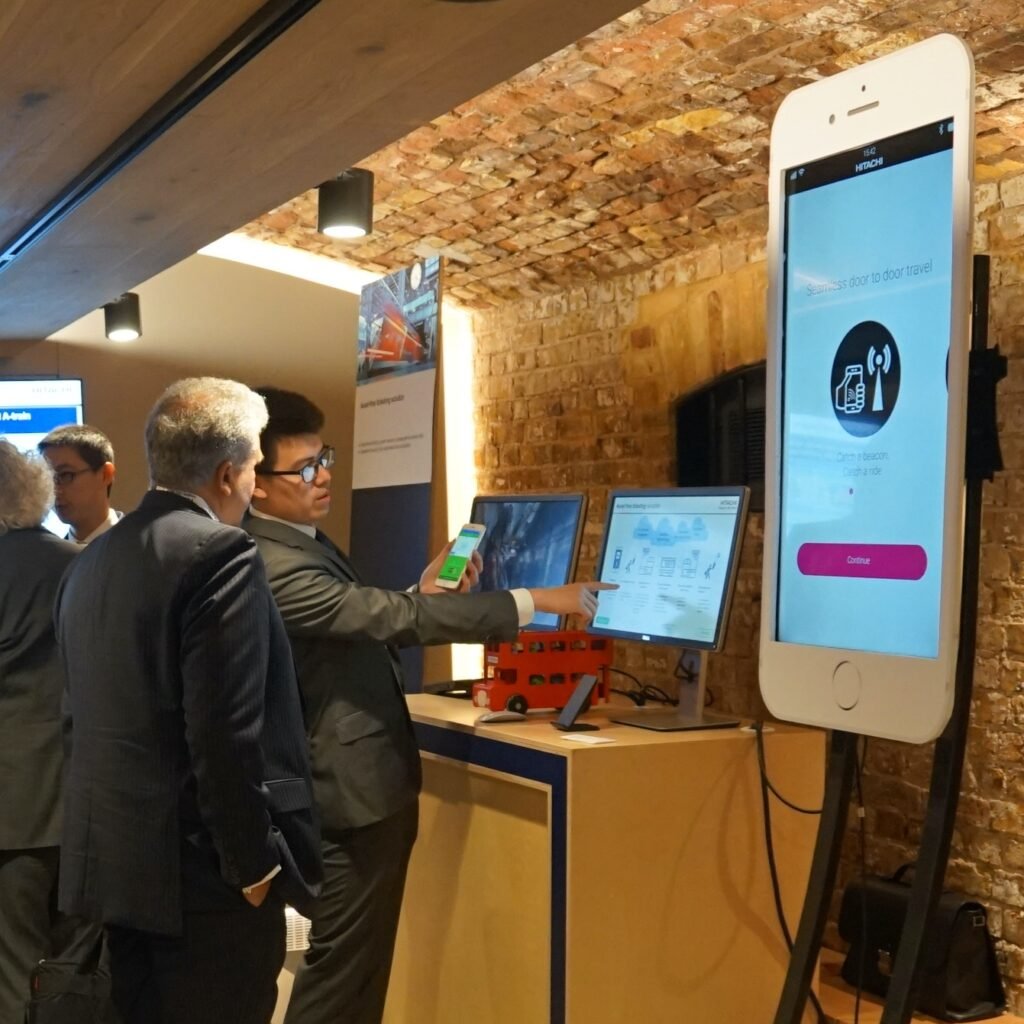
One example was a new approach to rail ticketing using Bluetooth beacon technology. Rather than simply designing an interface around the technology, I explored how passengers would actually behave in the physical environment, including what would happen if they boarded the wrong train, changed their journey or switched to another mode of transport. The work progressed from early R&D through validation and into commercial development with Hitachi’s rail business.
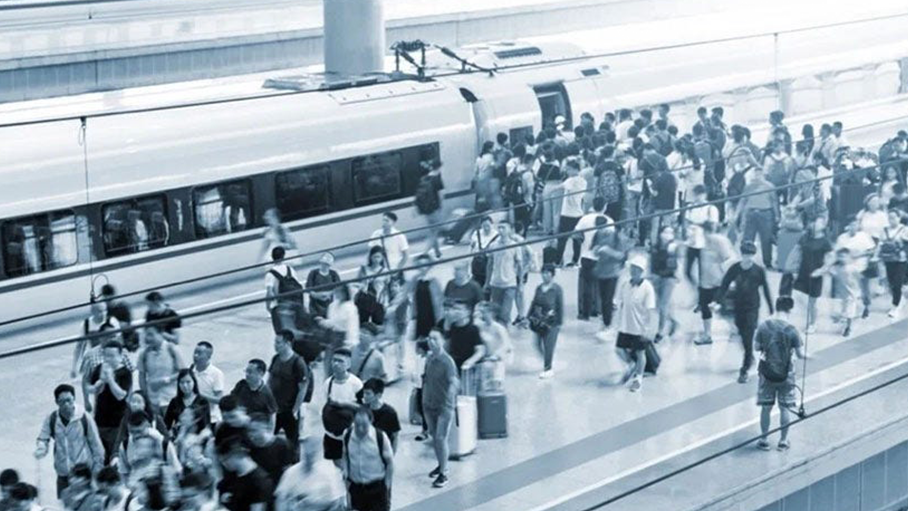
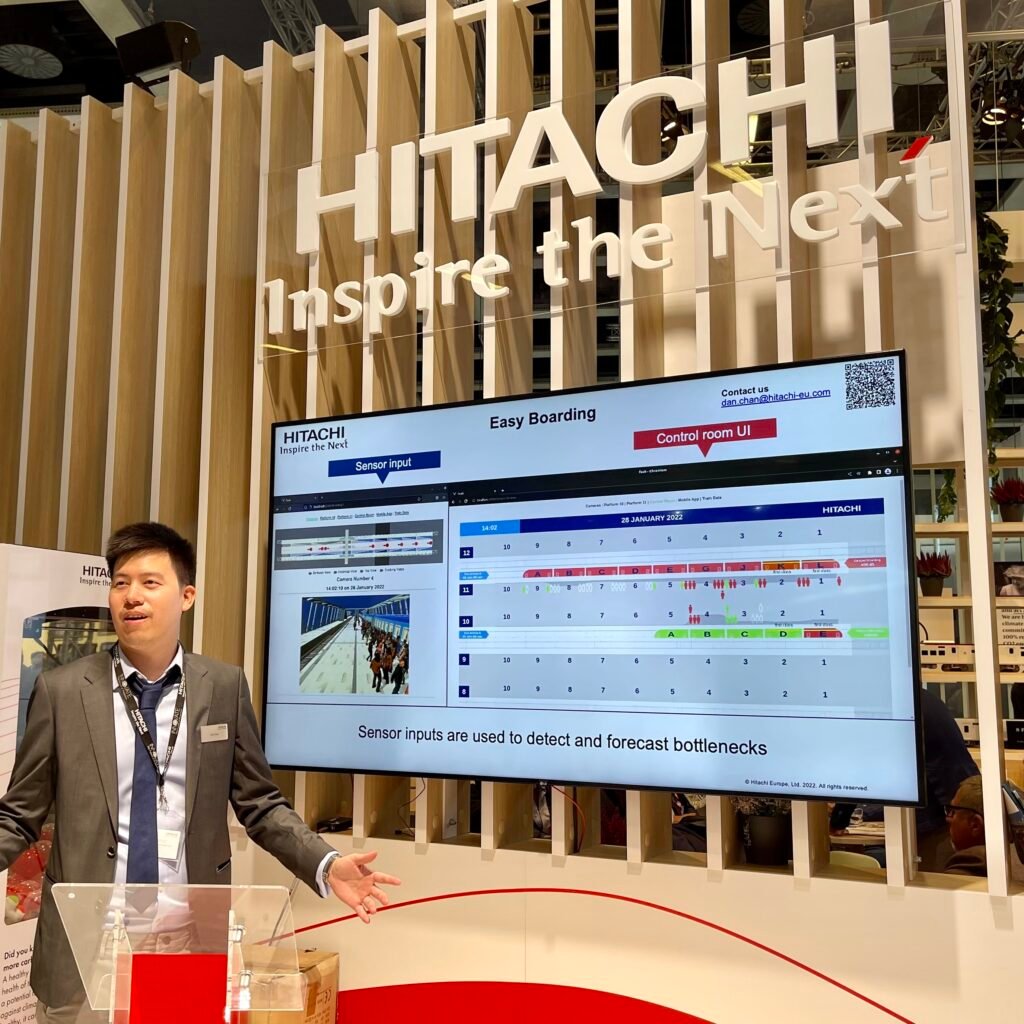
Another project, Easy Boarding, explored how passenger behaviour and train and station data could help people position themselves more effectively on busy platforms. I independently developed relationships with transport operators at InnoTrans in Berlin and used co-creation and research to investigate whether the concept could improve passenger flow and reduce boarding and departure time.
I also developed an airport operations concept exploring how a connected model of the airfield could help predict potential disruption before it happened, giving ground teams and flight crews more opportunity to respond. The underlying opportunity was not simply the technology itself, but the potential to save fuel, reduce operational inefficiency and improve the passenger experience.
Across projects like these, my role was to connect the dots:
research → opportunity → concept → prototype → validation → commercialisation
I presented work to senior leadership, including Hitachi executives in Japan, contributed to funding proposals and helped determine which opportunities were worth pursuing. Research and design evidence from my projects contributed to securing continued R&D funding, identifying co-creation partners and transferring concepts to Hitachi business units.
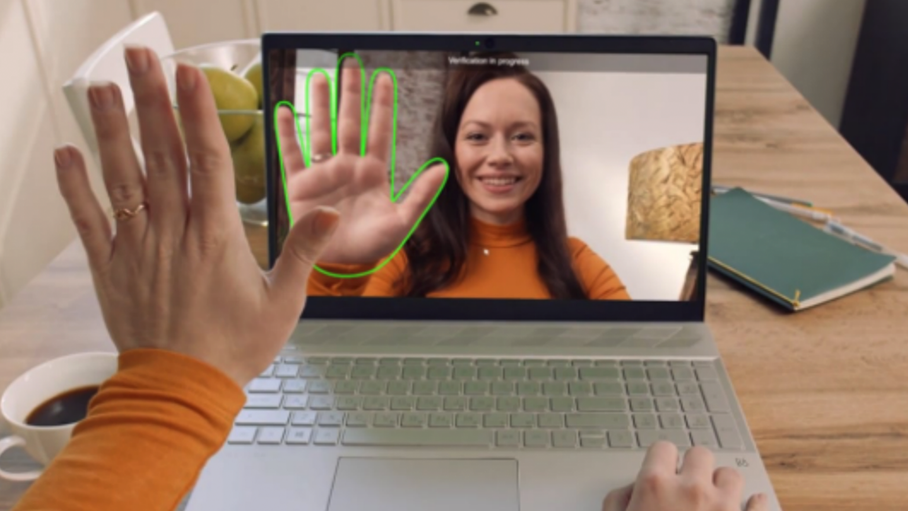
I also helped R&D teams work differently. During the pandemic, I led the transition to digital and remote design collaboration, selecting tools and developing workshop playbooks, templates and methodologies for teams working across locations.
The result was a role that went far beyond designing screens.
I helped teams understand what should be built, why it mattered, how it could work and how we could prove it.